Spike Lee
Spike Lee’s Early Joints and Why They Still Matter
Much like my discovery of Sergio Leone and Spaghetti Westerns, my introduction to Spike Lee felt like stumbling across a filmmaker who was operating on an entirely different wavelength. By the time I started seriously exploring cinema as a teenager, Spike Lee films were impossible to ignore. His debut, She’s Gotta Have It, arrived like a bolt of lightning. Made on a tiny budget, it was funny, stylish and refreshingly honest about relationships, identity and modern Black life. More importantly, it announced Spike Lee as a filmmaker with something to say. At a time when Hollywood offered very few opportunities for Black directors, he kicked the door open and refused to close it behind him.
Do the Right Thing and a Filmmaker Finds His Voice
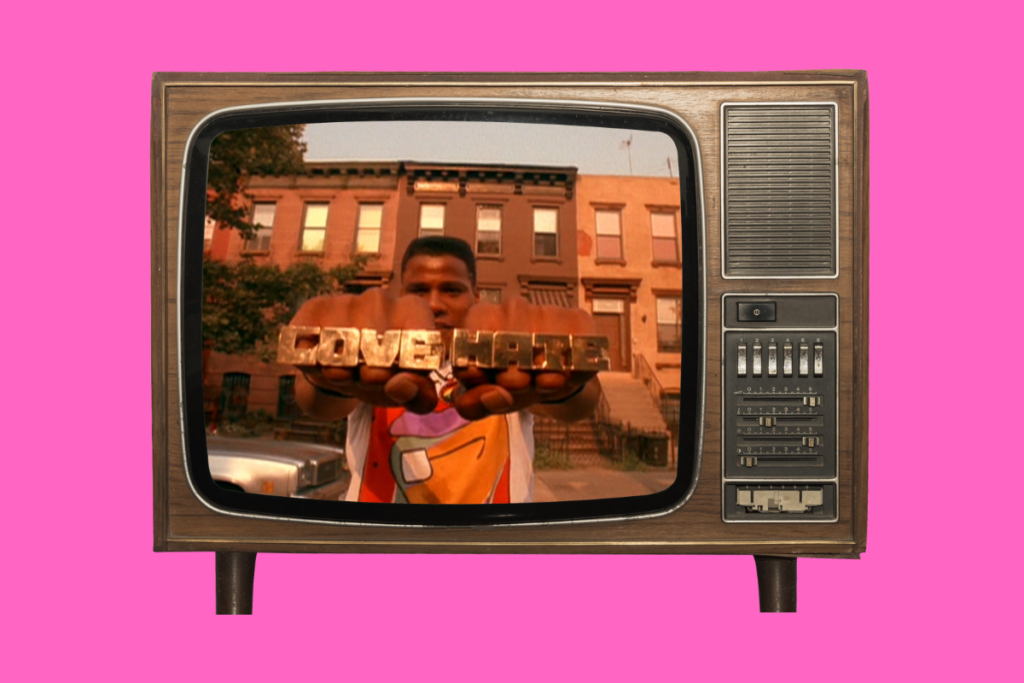
If She’s Gotta Have It introduced Spike Lee, then Do the Right Thing cemented his place in cinema history. I still think it’s one of the most vital American films ever made. Set during one sweltering day in Brooklyn, the film explores race, community and simmering tensions with an energy that remains astonishing decades later. The vibrant colours, dynamic camera work and unforgettable soundtrack make it endlessly watchable. Yet beneath the entertainment lies a film that asks difficult questions without offering easy answers. That’s one reason Spike Lee films continue to resonate. He trusts audiences to think for themselves.
Jungle Fever, Malcolm X and Ambitious Storytelling
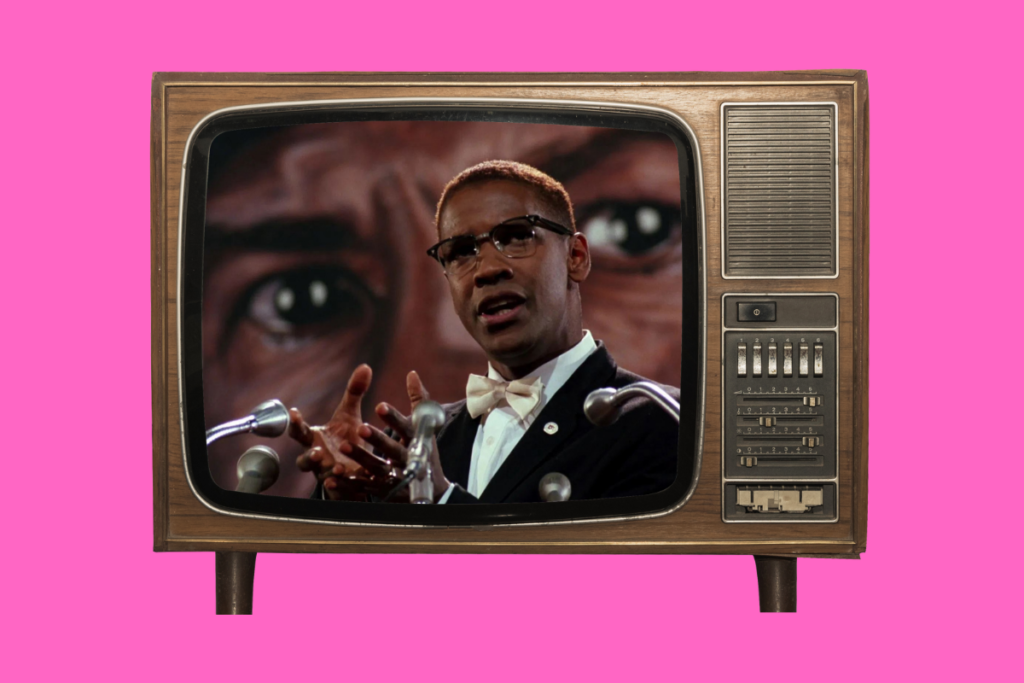
One of the things I admire most about Spike Lee is how quickly he expanded his range. Jungle Fever tackled interracial relationships and social prejudice with characteristic fearlessness, while Malcolm X remains one of the greatest biographical films ever made. Denzel Washington’s performance is extraordinary, but the film’s real achievement is its scale and ambition. Spike Lee treated Malcolm X’s story with the epic grandeur it deserved. He proved that Black history could command the same cinematic scope traditionally reserved for Hollywood’s most celebrated historical figures. Even today, Malcolm X feels remarkably powerful and relevant.
Clockers and the Streets of New York
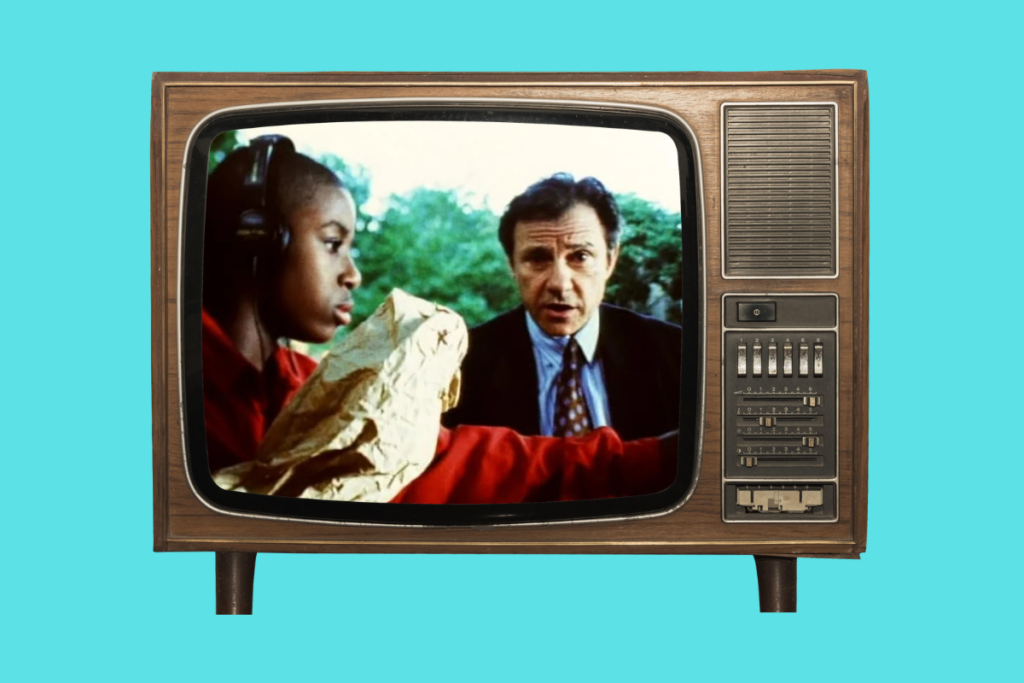
Although Spike Lee is often associated with political filmmaking, his gift for crime drama is sometimes overlooked. Clockers is one of the finest urban crime films of the 1990s and remains criminally underrated. Adapted from Richard Price’s novel, it explores drugs, violence and survival in Brooklyn with empathy and intelligence. Rather than relying on sensationalism, Lee focuses on character and community. The result is a gripping thriller that also functions as a thoughtful social commentary. Like many Spike Lee films, it entertains while challenging audiences to look beneath the surface.

Reinvention Through 25th Hour and Inside Man
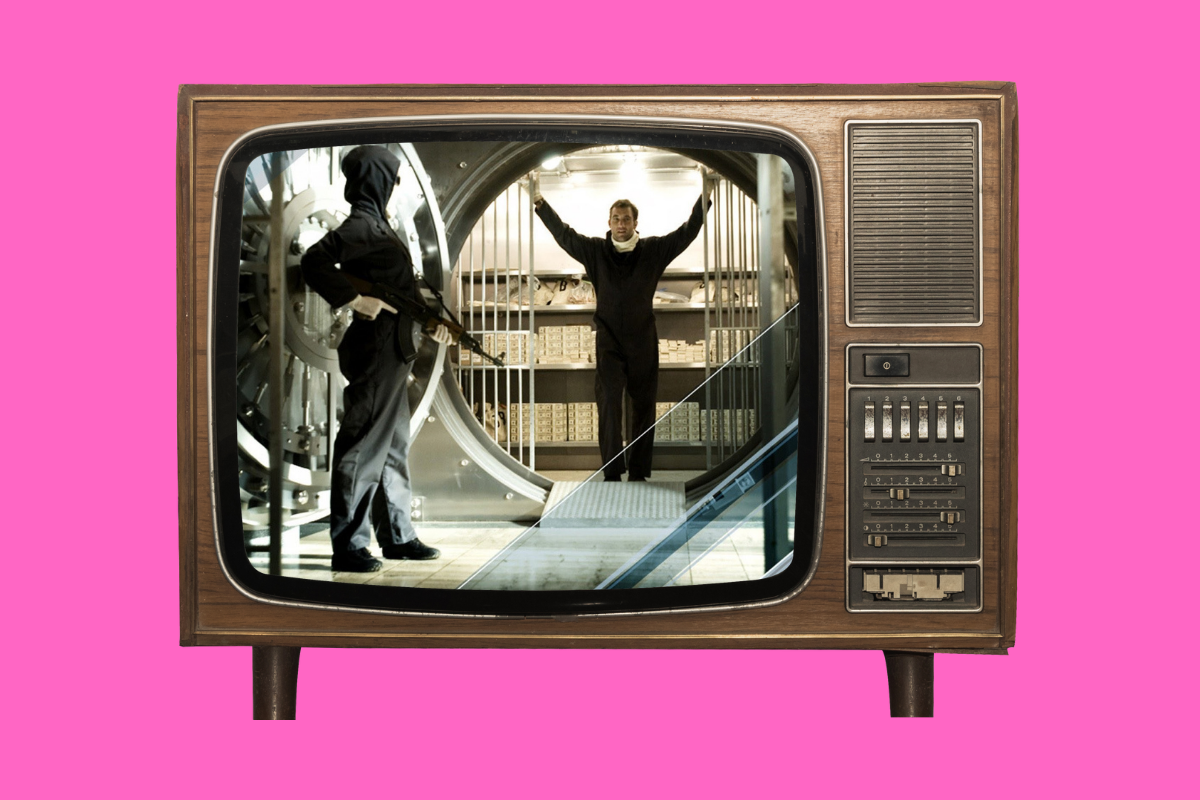
By the early 2000s, Spike Lee had already built an extraordinary body of work, but he continued to evolve. 25th Hour stands as one of his most mature achievements. Set in post-9/11 New York, it captures a city dealing with uncertainty and trauma while telling a deeply personal story about regret and redemption. A few years later, Lee surprised many critics with Inside Man, a slick and intelligent heist thriller that demonstrated he could work comfortably within mainstream studio filmmaking without losing his distinctive voice. It’s still one of the smartest crime thrillers of the twenty-first century.
Blackkklansman, Legacy and Essential Reading
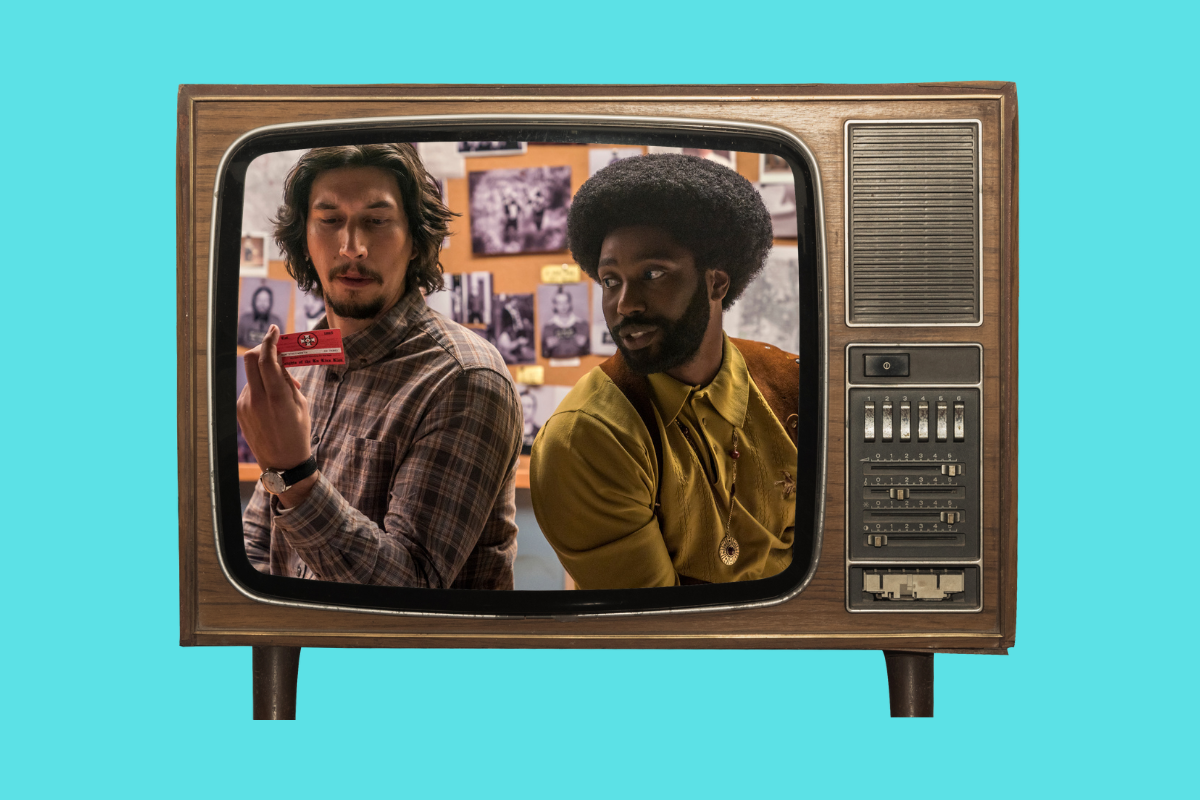
Even after four decades behind the camera, Spike Lee remains as relevant as ever. BlacKkKlansman brilliantly blends satire, suspense and political commentary while drawing uncomfortable parallels between America’s past and present. It also introduced his work to a new generation of film fans. Looking back across Spike Lee films, what stands out is their consistency, energy and willingness to confront difficult subjects head-on. If you’d like to explore his work further, I highly recommend Spike Lee: That’s My Story and I’m Sticking To It by Spike Lee and Lisa Jones, Do the Right Thing (BFI Film Classics) by Ed Guerrero, Spike, Mike, Slackers & Dykes by John Pierson and Black American Cinema edited by Manthia Diawara. Together, they offer a fascinating insight into one of the most important filmmakers in modern American cinema.
Recommended Reading:
Spike Lee: That’s My Story and I’m Sticking to It — Spike Lee & Lisa Jones
Probably the best place to start. It’s funny, candid and full of Lee’s own voice. Rather than a dry biography, it feels like sitting down with Spike Lee and letting him talk about filmmaking, race, culture and his career. If you only recommend one Spike Lee book, make it this one.
Best Seat in the House — Spike Lee
Part memoir, part sports book and part cultural history. Lee writes with enormous enthusiasm about basketball, New York and popular culture. It isn’t strictly about filmmaking, but it offers a brilliant insight into the man behind the camera and his storytelling instincts.
Spike, Mike, Slackers & Dykes — John Pierson
One of the most entertaining books ever written about the American independent film boom of the late 1980s and 1990s. Spike Lee features heavily alongside filmmakers like Richard Linklater and Kevin Smith. It’s packed with behind-the-scenes stories and captures the excitement of independent cinema at the time.
Do the Right Thing (BFI Film Classics) — Ed Guerrero
The most academic book I’d include, but it’s still highly readable. Guerrero explores why Do the Right Thing became such an important film and why it remains relevant today. It’s concise, accessible and never feels like homework.
By Any Means Necessary: The Trials and Tribulations of the Making of Malcolm X — Spike Lee & Ralph Wiley
A fascinating account of the long, difficult journey to get Malcolm X made. The production nearly collapsed several times, and Lee’s determination to finish the film is genuinely inspiring. Essential reading if you’re discussing Malcolm X in your article.
Black American Cinema — Edited by Manthia Diawara
Although broader than just Spike Lee, this is a fantastic collection that places his work within the wider story of Black filmmaking. It’s thoughtful without becoming overly academic and helps explain why Lee’s arrival was such a significant moment.