

Denzel Washington
Denzel Washington – The Last Great Movie Star?
From Glory to Hollywood Royalty
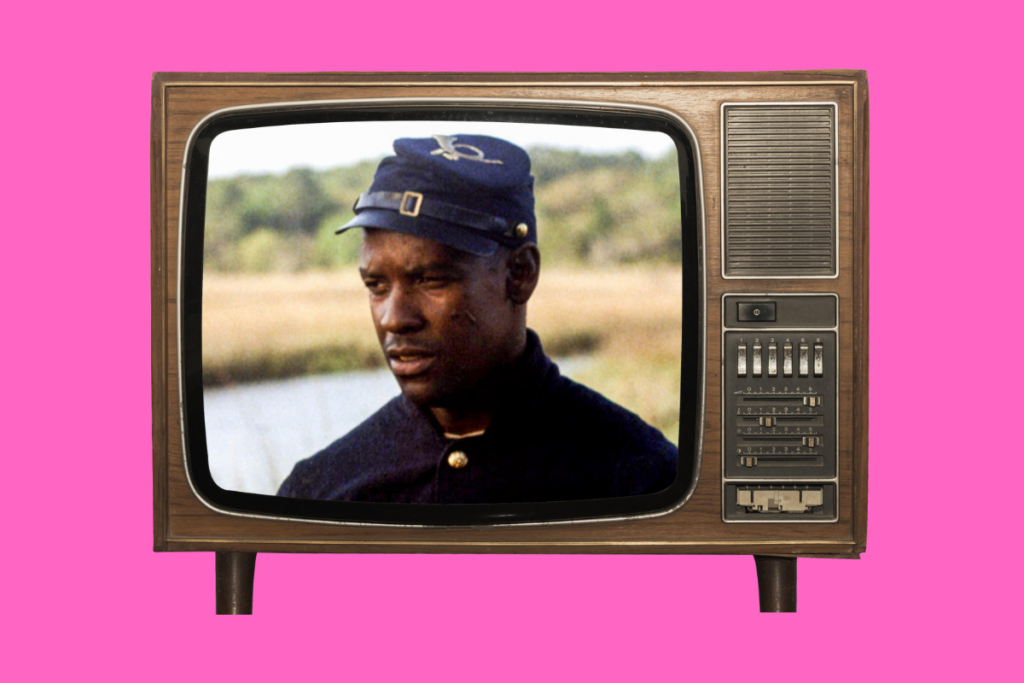
I’ve always thought Denzel Washington occupies a unique place in modern cinema. Plenty of actors have talent. Plenty have charisma. Very few possess both in the quantities Denzel does. The first time he really grabbed Hollywood’s attention was in Glory (1989), the Civil War drama that earned him his first Academy Award. Looking back now, it’s easy to see why. Even surrounded by an excellent cast, Denzel completely commands the screen. That performance announced the arrival of a major actor, but what fascinates me is how he never became trapped by prestige cinema. From the very beginning, Denzel Washington built a career that balanced awards-worthy dramas with crowd-pleasing thrillers, creating one of the most impressive filmographies in modern Hollywood.
Balancing Prestige Films and Popular Entertainment
One reason Denzel Washington has remained relevant for more than four decades is his ability to move effortlessly between serious dramas and mainstream entertainment. He could appear in politically charged films like Cry Freedom and then headline slick thrillers such as Ricochet. Throughout the 1990s he became one of the few actors audiences genuinely trusted. Films like Philadelphia, The Pelican Brief, The Bone Collector and The Hurricane demonstrated his versatility, while his natural screen presence elevated even familiar material. Unlike many stars, Denzel never seemed interested in repeating the same role. Instead, he constantly challenged himself, which is one of the reasons his career has aged so remarkably well.
Denzel Washington and Spike Lee
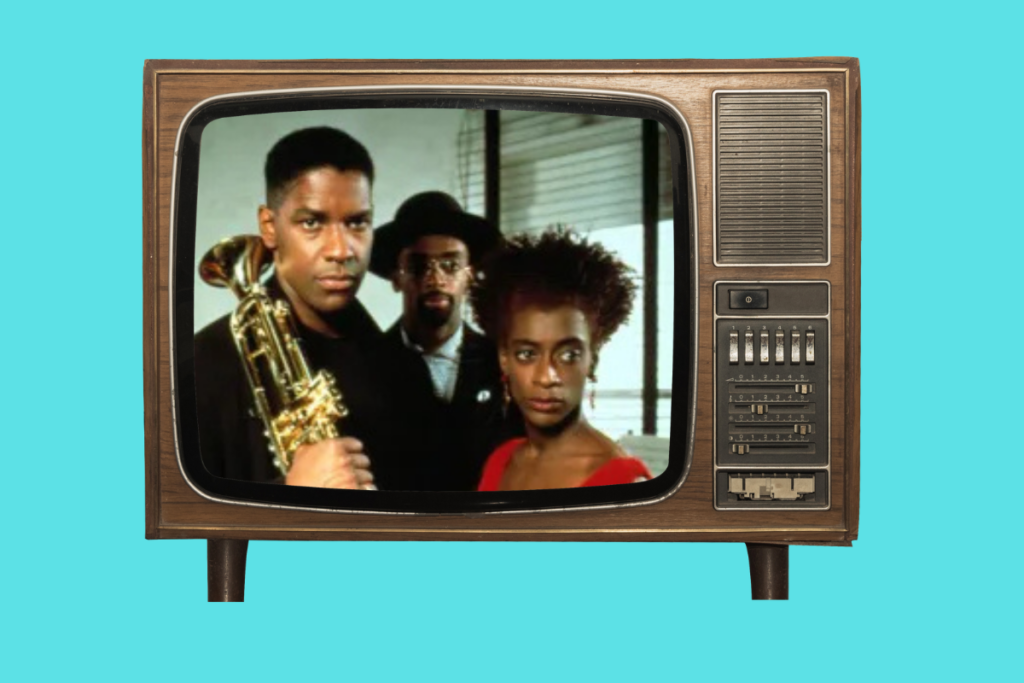
Any discussion of Denzel Washington films has to include his extraordinary collaborations with Spike Lee. Their partnership began with Mo’ Better Blues and reached its peak with Malcolm X, a film I genuinely consider one of the greatest biographical dramas ever made. Denzel doesn’t simply portray Malcolm X; he embodies him completely. The performance captures the intelligence, anger, humour and transformation of one of America’s most important historical figures. Years later, the pair reunited for Inside Man, proving they could be just as effective making a stylish commercial thriller as they were tackling major historical subjects. Together, Spike Lee and Denzel Washington created some of the most important American films of the last thirty years.
Tony Scott, Antoine Fuqua and Reinventing His Image
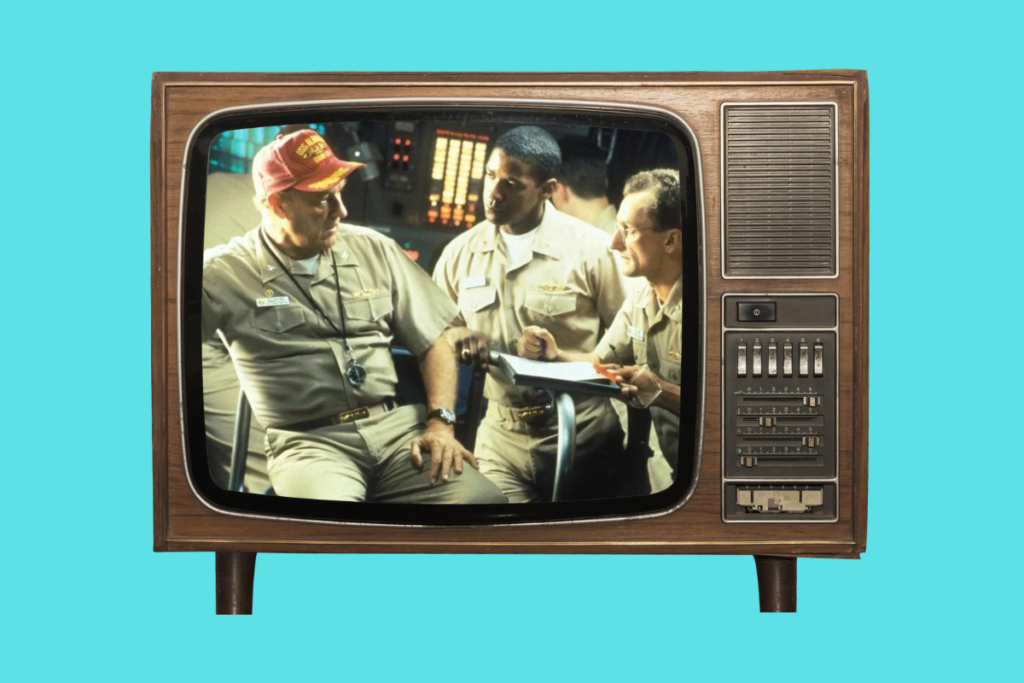
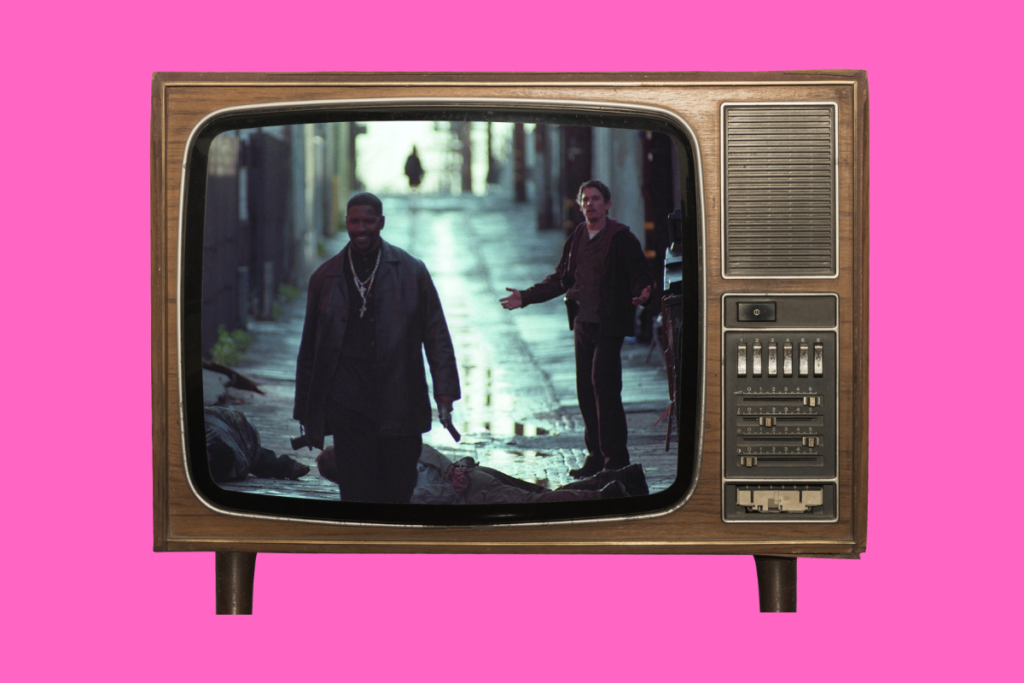
What I admire most about Denzel Washington is his willingness to subvert expectations. By the late 1990s, he could easily have coasted on his heroic image. Instead, he chose riskier projects. His collaborations with Tony Scott, including Crimson Tide, Man on Fire and Scott’s final film Unstoppable, revealed darker and more complex sides of his screen persona. Then came Antoine Fuqua’s Training Day. Nobody expected Denzel to play a character like Alonzo Harris, a corrupt detective who remains one of the most terrifying villains in modern cinema. The role earned him his second Academy Award and completely reinvented his image. His later collaborations with Fuqua on The Equalizer trilogy proved he could also become a convincing action hero well into his sixties.


Why Denzel Washington Has Endured
Movie stars come and go, but Denzel Washington has remained at the top because he combines old-school star quality with serious acting ability. He belongs to a tradition that includes Sidney Poitier, Paul Newman and Clint Eastwood, yet he has carved out an identity entirely his own. Whether he’s playing a lawyer, soldier, gangster, detective or Shakespearean king, Denzel always feels authentic. He brings intelligence and emotional depth to every role. His consistency is extraordinary. While many actors experience peaks and valleys, Denzel’s career has maintained an astonishing level of quality across multiple decades, making him one of the most respected performers in world cinema.
The Legacy of Denzel Washington
The legacy of Denzel Washington extends far beyond awards and box-office success. He helped redefine what a modern leading man could be and opened doors for future generations of Black actors. You can see his influence in performers such as Michael B. Jordan, John David Washington and countless others. More importantly, he demonstrated that commercial success and artistic ambition do not have to be mutually exclusive. From Glory and Malcolm X to Training Day, Man on Fire and The Equalizer, Denzel Washington has spent more than forty years delivering unforgettable performances. In an era increasingly dominated by franchises and intellectual property, he remains one of the last true movie stars—and one of the very best.
Recommended Reading
If you want to explore Denzel Washington’s career further, these books are entertaining, insightful and highly readable:
A Hand to Guide Me – Denzel Washington
Part memoir, part inspirational reflection, featuring stories about mentors and life lessons throughout his career.
Sidney Poitier: The Measure of a Man – Sidney Poitier
Not a Denzel book directly, but essential reading for understanding one of the actors who paved the way for Denzel’s success.
Live from New York – Tom Shales & James Andrew Miller
A hugely entertaining oral history of Saturday Night Live, featuring fascinating stories from many of Denzel’s contemporaries and collaborators.
Best Seat in the House – Jack Nicklaus
One of Denzel’s favourite books on leadership, discipline and success.
Spike Lee: That’s My Story and I’m Sticking to It – Spike Lee
A lively and personal look at the filmmaker behind Malcolm X, Mo’ Better Blues and Inside Man.
The Men Who Would Be King – Nicole LaPorte
A brilliant, gossipy and hugely entertaining look at modern Hollywood power players.