
Jack Nicholson
The Last Great Hollywood Wild Man
When I think about truly unforgettable movie stars, Jack Nicholson always sits near the very top of the list. My introduction to Jack Nicholson movies came long before I understood anything about Method acting, New Hollywood cinema or film history. As a kid, I watched films like One Flew Over the Cuckoo’s Nest, Goin’ South and The Shining on television and immediately recognised that Nicholson was different. Plenty of actors can deliver a good performance, but Nicholson possessed that rare combination of genuine acting talent and overwhelming screen presence. He didn’t simply appear in scenes; he owned them. Even when he wasn’t speaking, there was always a sense that something unpredictable might happen. That mixture of intelligence, danger, humour and volatility made him one of the most magnetic actors Hollywood has ever produced.
How Batman Introduced a New Generation to Jack Nicholson
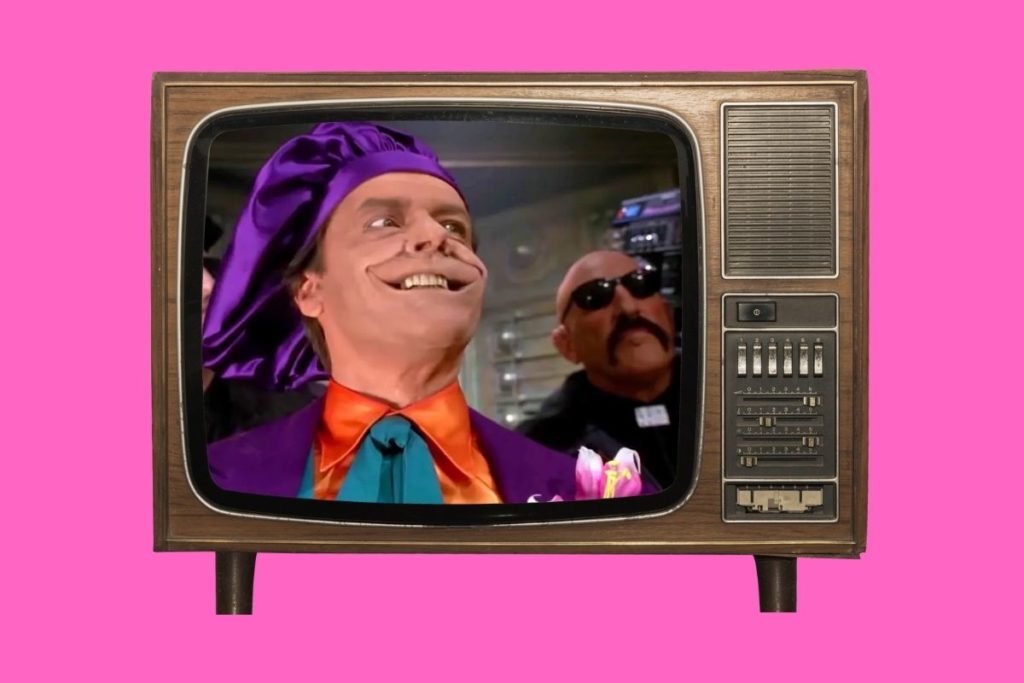
Like many people of my generation, my biggest early exposure to Nicholson came through Batman in 1989. Looking back now, it was probably my first experience of a genuine blockbuster event movie. Tim Burton’s Batman dominated popular culture for months, but somehow Jack Nicholson’s Joker became the film’s biggest attraction. His performance balanced comedy, menace and pure theatricality in a way that felt completely unique. Nicholson’s Joker wasn’t just a comic-book villain; he was a gangster, a stand-up comic and a psychopath rolled into one unforgettable character. Even today, the influence of Nicholson’s Joker can still be seen in later interpretations by Heath Ledger and Joaquin Phoenix. For many younger viewers, this remains one of the defining Jack Nicholson performances and one of the most important villain portrayals in blockbuster cinema history.
From Roger Corman to Easy Rider: The Rise of Jack Nicholson
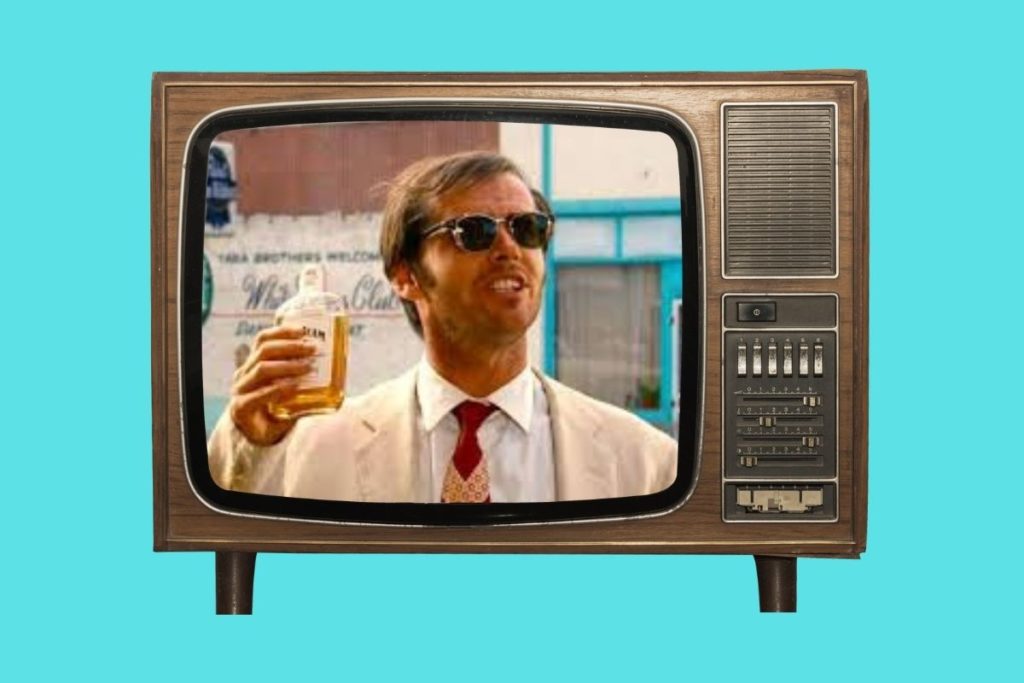
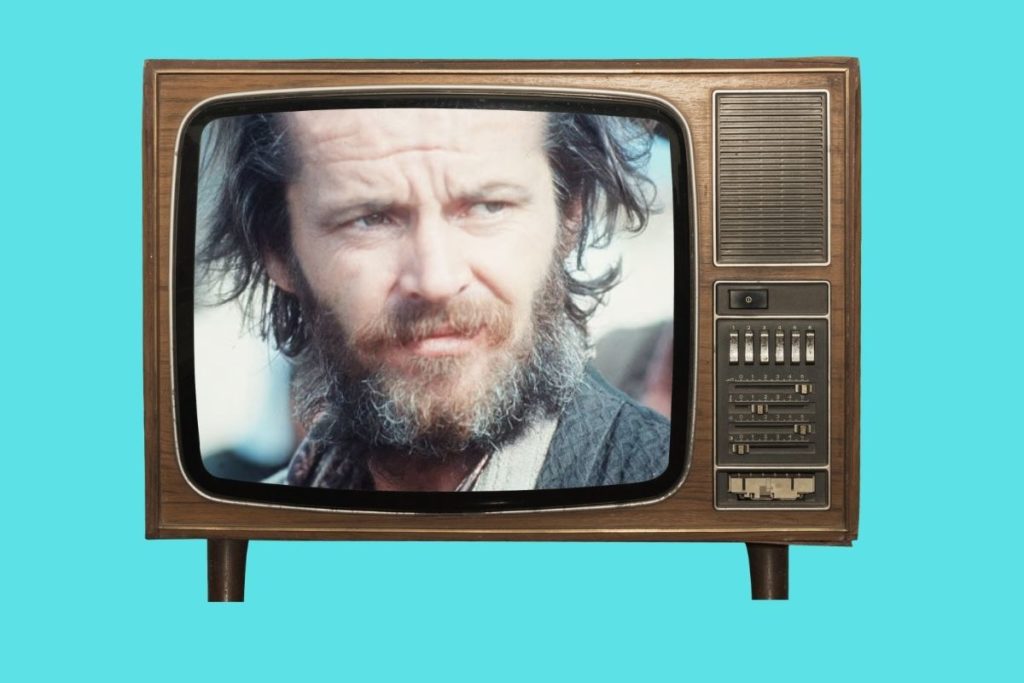
One of the most fascinating aspects of the Jack Nicholson career is how unconventional his journey to stardom really was. Before becoming one of Hollywood’s biggest names, Nicholson spent years working in low-budget Roger Corman productions and exploitation films. You can even spot him in the original Little Shop of Horrors from 1960, playing a bizarre masochistic dental patient. The role is tiny, but the qualities that would define Nicholson are already visible. The real breakthrough came with Easy Rider in 1969. His performance as George Hanson earned him his first Academy Award nomination and announced the arrival of a new kind of movie star. Unlike many actors from the previous generation, Nicholson felt authentic, flawed and completely human. If you’re interested in this period, Peter Biskind’s Easy Riders, Raging Bulls and Marc Eliot’s Jack Nicholson: The Early Years provide excellent insights into the emergence of New Hollywood and Nicholson’s crucial role within it.
Why Jack Nicholson Defined New Hollywood Cinema
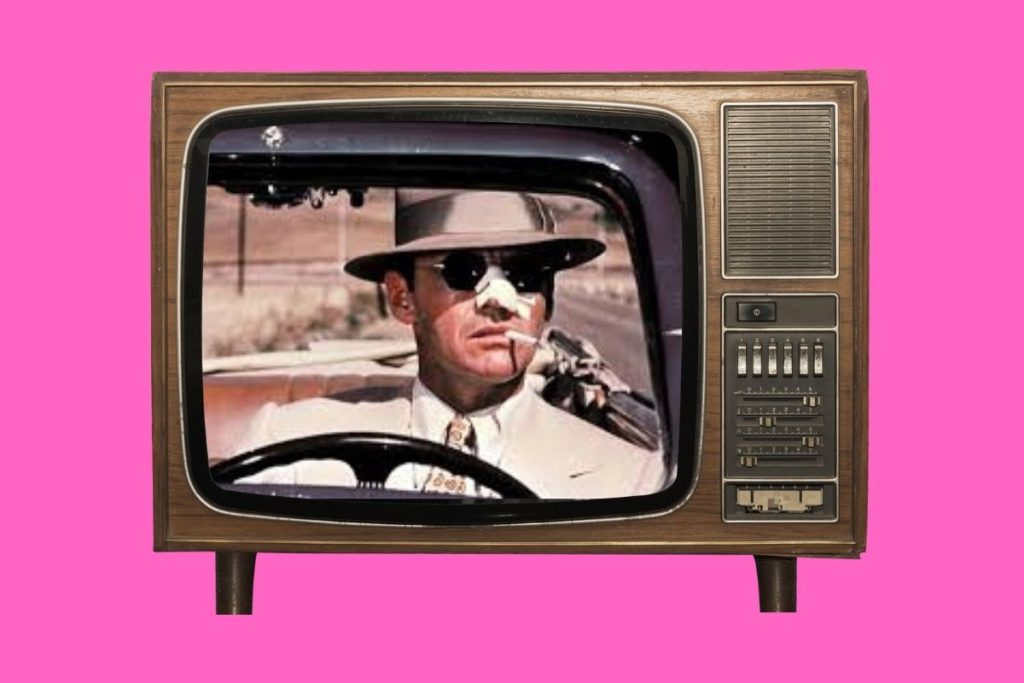
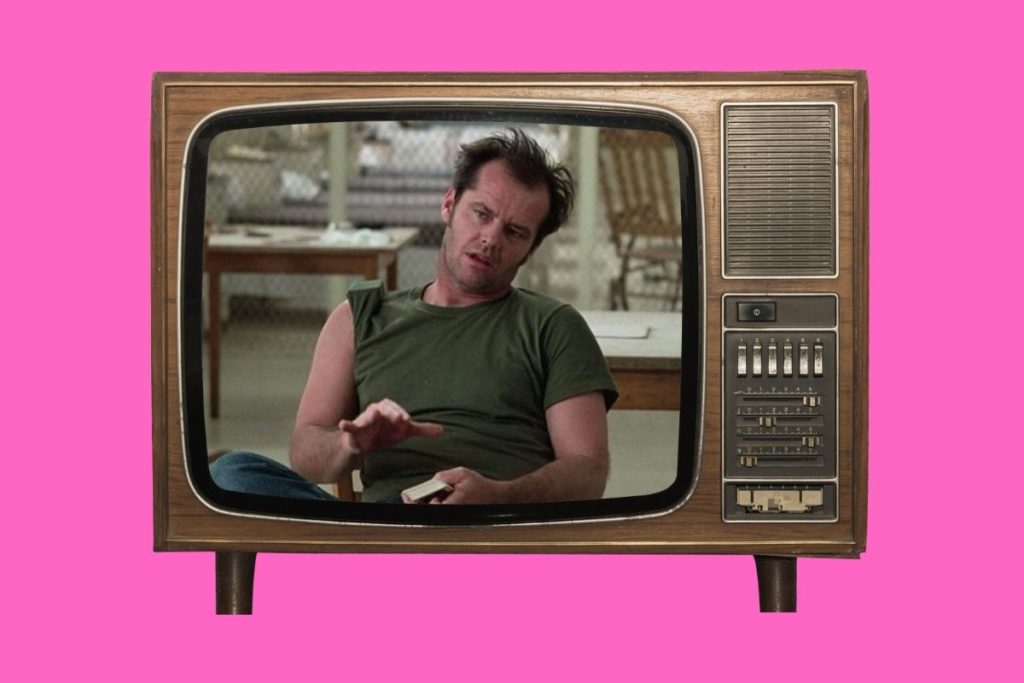
The 1970s proved to be the decade that cemented Nicholson’s reputation as one of the greatest actors of his generation. Films like Five Easy Pieces, The Last Detail, Chinatown and One Flew Over the Cuckoo’s Nest showcased his ability to play intelligent but deeply flawed men struggling against authority, society or their own self-destructive impulses. These weren’t traditional heroes, which made them perfectly suited to the cynical atmosphere of post-Watergate America. Chinatown remains one of my personal favourites among Jack Nicholson movies. His portrayal of private investigator J.J. Gittes captures confidence, humour and vulnerability in equal measure as he slowly uncovers a conspiracy far larger than himself. Meanwhile, his Oscar-winning performance as Randle McMurphy in One Flew Over the Cuckoo’s Nest demonstrated remarkable warmth and humanity beneath the character’s rebellious bravado. For anyone wanting to explore this period further, Sam Wasson’s outstanding The Big Goodbye offers a fascinating look at the making of Chinatown and 1970s Hollywood.
The Shining, The Joker and Peak Jack Nicholson
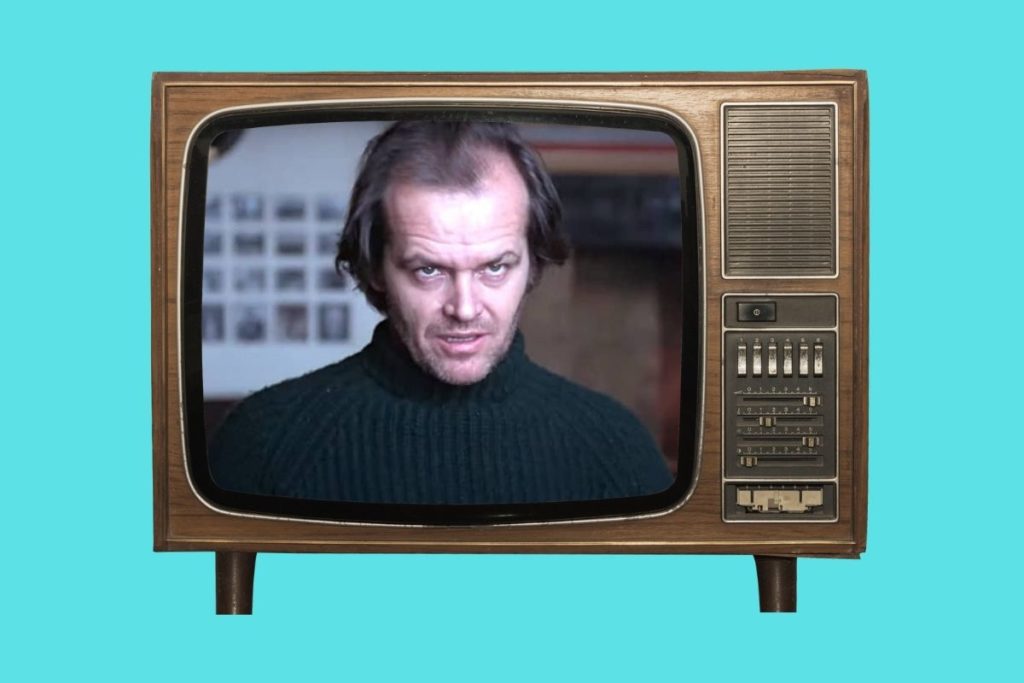
For many audiences, The Shining represents peak Nicholson. Stanley Kubrick took Nicholson’s naturally volatile screen persona and amplified it into one of cinema’s most iconic horror performances. What makes Jack Torrance so memorable isn’t simply his descent into madness, but Nicholson’s ability to make that madness both entertaining and genuinely disturbing. The famous “Here’s Johnny!” moment has become one of the most recognisable scenes in horror history for good reason. Nicholson understood something many actors don’t: madness can be funny. Even his darkest performances contain a streak of black humour running beneath the surface. That same quality made his Joker in Batman so effective. If you want to dive deeper into this period, The Stanley Kubrick Archives by Alison Castle and Conversations with Jack Nicholson, edited by Michel Ciment, provide wonderful insights into both Nicholson’s process and his collaborations with legendary filmmakers.
Why Jack Nicholson’s Legacy Still Matters Today
What I admire most about Jack Nicholson is that he never felt manufactured. Even at the height of his fame, there remained something dangerous, rebellious and slightly anarchic about him. He wasn’t polished. He wasn’t safe. And that’s exactly why audiences loved him. His influence can be seen in countless modern actors, from Joaquin Phoenix and Johnny Depp to Leonardo DiCaprio. Nicholson helped redefine what a leading man could be, proving that charisma didn’t require conventional heroism. He made eccentricity, unpredictability and vulnerability compelling. More importantly, he combined genuine acting ability with a level of star power that feels increasingly rare today. If you’re interested in exploring his world further, I’d highly recommend Nicholson by Patrick McGilligan, alongside documentaries such as Easy Riders, Raging Bulls, A Decade Under the Influence and Stanley Kubrick: A Life in Pictures. For me, Jack Nicholson remains the ultimate example of what happens when extraordinary talent meets undeniable screen presence. There has never really been anybody else quite like him.
Nicholson — Patrick McGilligan
Probably the definitive Jack Nicholson biography. Thoroughly researched and packed with fascinating detail about both the man and the myth.
Jack Nicholson: The Early Years — Marc Eliot
A superb look at Nicholson’s long road through Roger Corman productions and exploitation cinema before becoming a major Hollywood star.
Easy Riders, Raging Bulls — Peter Biskind
Essential reading for understanding the New Hollywood movement that transformed American cinema during the 1970s.
The Big Goodbye — Sam Wasson
One of the best books ever written about the making of Chinatown and the darker side of 1970s Hollywood.
The Stanley Kubrick Archives — Alison Castle
A beautiful and comprehensive exploration of Kubrick’s career, including extensive material on The Shining.
Easy Riders, Raging Bulls
An entertaining adaptation of Peter Biskind’s classic book that explores the filmmakers and stars who changed Hollywood forever.
Stanley Kubrick: A Life in Pictures
One of the best documentaries on Kubrick’s career and an essential companion piece to The Shining.
A Decade Under the Influence
A brilliant examination of the directors, actors and films that defined 1970s American cinema.