Hammer Horror
Discovering Hammer Horror on BBC Two
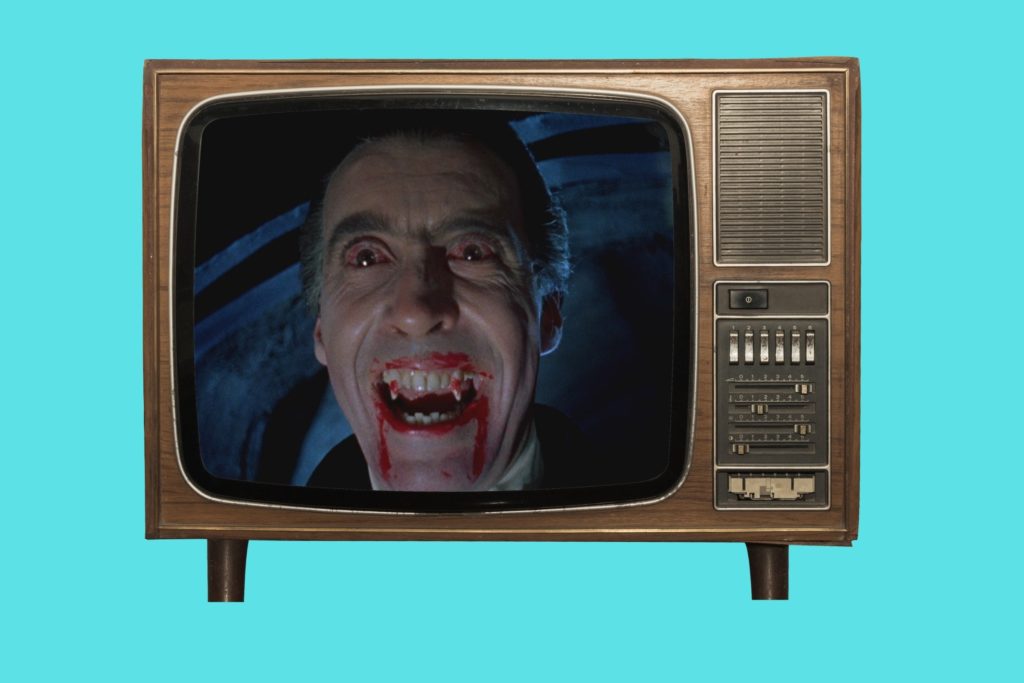
When I first found Hammer Horror, it was during late-night double bills on BBC Two. Sitting in the dark, I watched gothic castles, foggy graveyards and swirling capes fill the screen. Christopher Lee’s Dracula became the version that defined the vampire for me. Peter Cushing’s intense, sharp face is still how I picture Frankenstein. Hammer’s monsters didn’t just reinterpret the characters; they became the characters for an entire generation.
Why Christopher Lee Defined Dracula
Before Hammer, horror was largely black-and-white monster movies from Universal. Hammer burst onto the scene in full colour with The Curse of Frankenstein in 1957. It was bloodier, darker and more dramatic than earlier horrors, and audiences were captivated. Their next film, Dracula (1958), proved even more influential. Christopher Lee played Dracula as tall, imposing and dangerous. He brought a sense of romance and menace that no one had seen before. Opposite him, Peter Cushing played Van Helsing with intelligence and energy. Their chemistry made the films unforgettable.
Peter Cushing and the Hammer Style
Hammer’s success wasn’t just about its stars. Director Terence Fisher created a new gothic look that was both rich and sinister. These films feel drenched in atmosphere: crumbling castles, flickering candles, blood-red colour palettes. They look cosy and dangerous at the same time. Fisher balanced horror with emotion; many of his monsters felt tragic rather than evil. That nuance is part of why the films still resonate today.
Hammer Horror Pushes Boundaries
As tastes changed in the 1960s and 70s, Hammer adapted. They added more sensuality and graphic violence in films like Twins of Evil, The Vampire Lovers and Dr Jekyll and Sister Hyde. This flexibility kept their work fresh and influential. Modern directors like Tim Burton, Guillermo del Toro and Martin Scorsese all cite Hammer as an inspiration. You can see the impact in their colour palettes, tragic monsters and stylised sets. Hammer’s legacy shows that bold experimentation makes horror timeless.
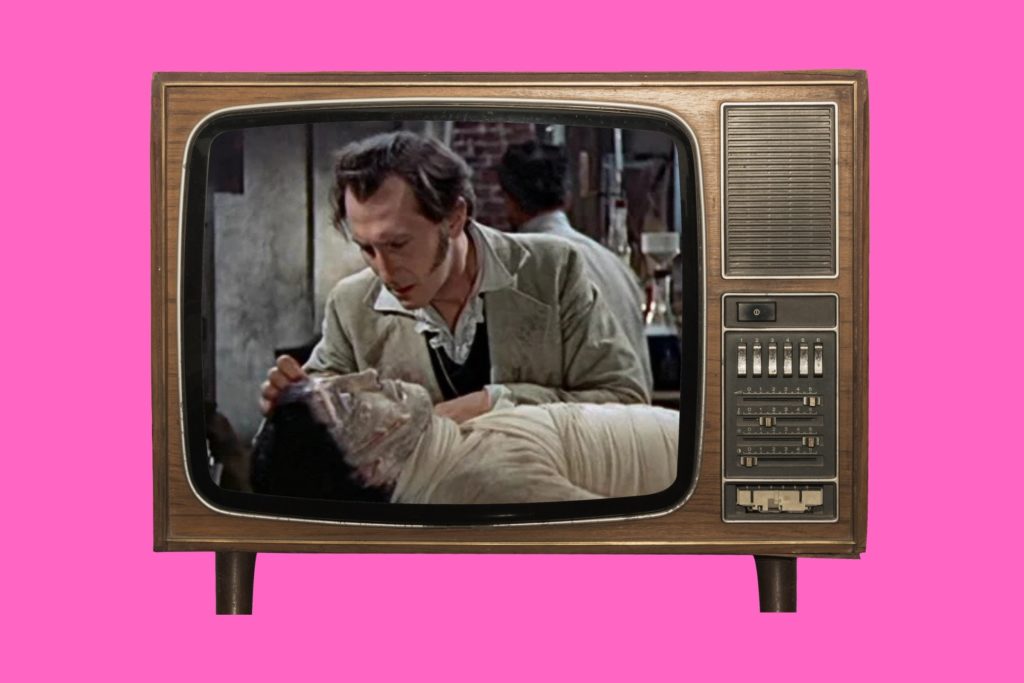
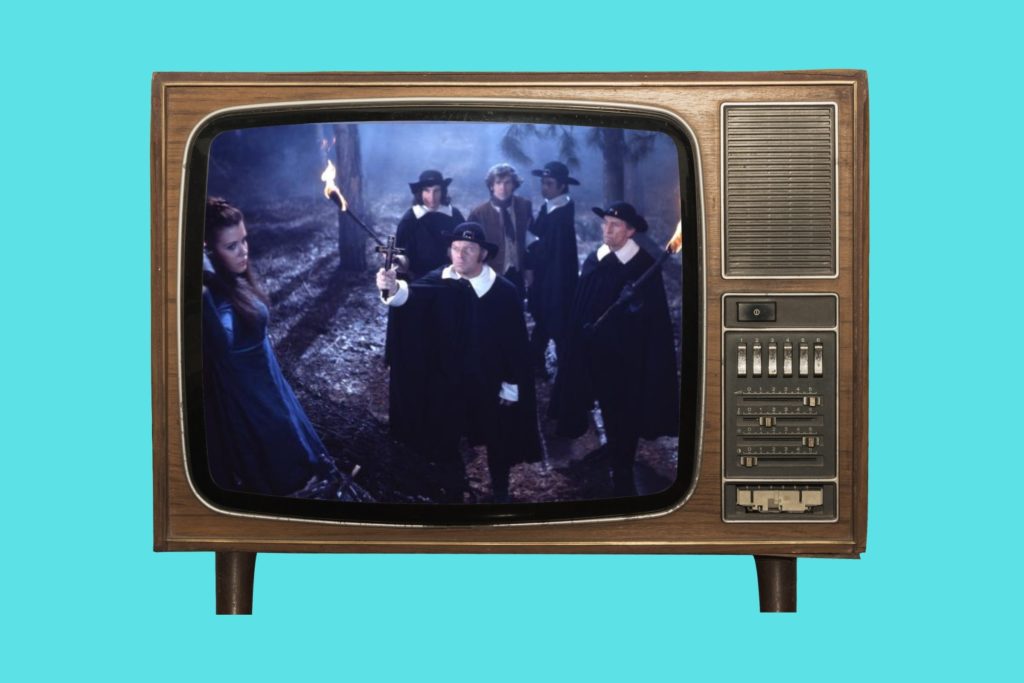
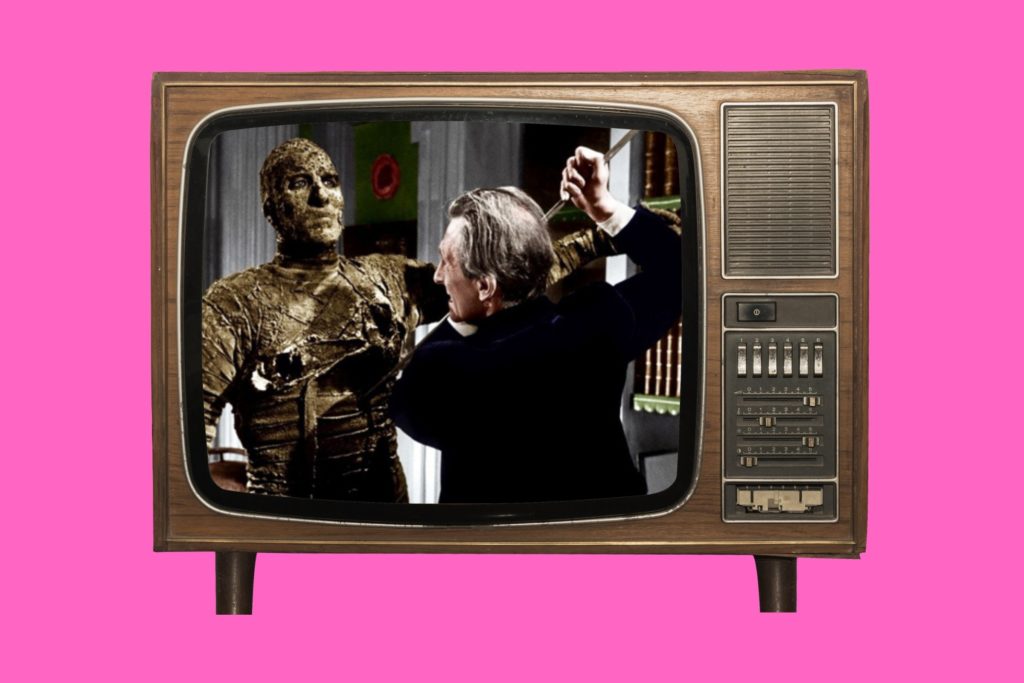
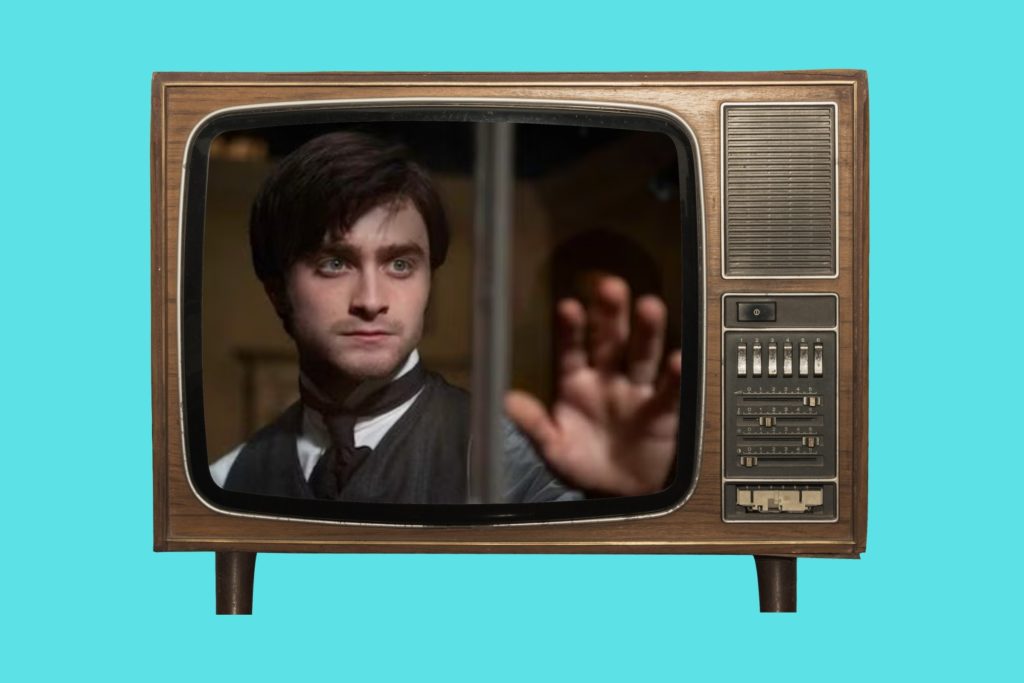
More Than Monsters: The Mood of Hammer Horror
Hammer films are about mood as much as monsters. Watching Christopher Lee bare his fangs while Peter Cushing races to save humanity feels like slipping into a candlelit dream. These stories occupy a uniquely British space: theatrical yet sincere, cosy yet dangerous. They changed how I see horror. Every time I revisit a Hammer movie, I remember why I fell in love with cinema in the first place.
Recommended Reading
These books balance knowledge and enthusiasm, perfect for diving deeper without getting lost in dry theory:
Hammer Glamour – Marcus Hearn — A visual celebration of Hammer’s gothic style and stars.
The Hammer Story – Marcus Hearn & Alan Barnes — The best all-round introduction to Hammer Films.
Christopher Lee: The Authorised Screen History – Jonathan Rigby — Essential for fans of Lee’s horror roles.
English Gothic – Jonathan Rigby — A brilliant overview of British horror cinema, including Hammer’s golden years.
A History of Horror – Denis Meikle — An accessible and entertaining look at horror history.
Hammer Films: The Bray Studios Years – Wayne Kinsey — Packed with behind-the-scenes stories and nostalgia.
The House of Horror: The Complete History of Hammer Films – Benjamin Halligan — A deep dive into Hammer’s evolution and legacy.