
Film Noir
Film Noir Explained – Shadows, Cigarettes and Moral Chaos
What Is Film Noir?
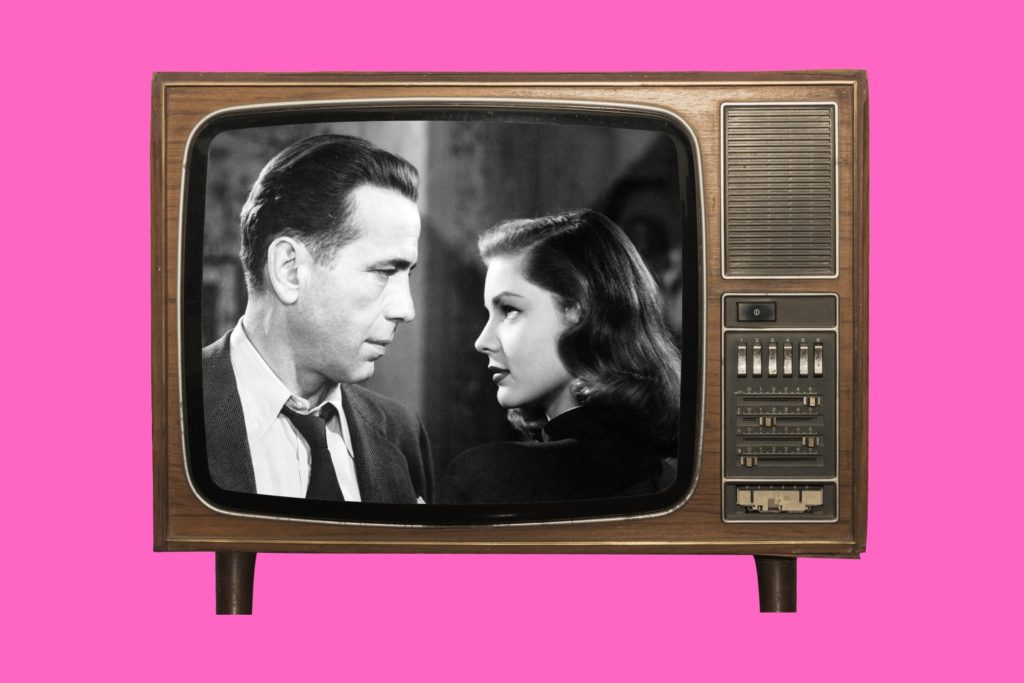
Film noir was another one of those cinematic rabbit holes I happily disappeared down while studying film at college. The funny thing about noir is that, despite being hugely important in film history, it never feels remotely like homework. These films are simply too stylish, too atmospheric and too entertaining for that. You’ve got hardboiled detectives, dangerous femmes fatales, murder, betrayal, doomed romance and some of the sharpest dialogue ever written. Honestly, what’s not to love? What hooked me immediately was the mood. Noir films feel darker and stranger than the classic Hollywood movies that came before them. The world is full of morally compromised characters drifting through cities soaked in cigarette smoke, corruption and terrible decisions. Even the heroes often seem exhausted, cynical or quietly doomed from the beginning.
The Origins of Classic Noir Cinema
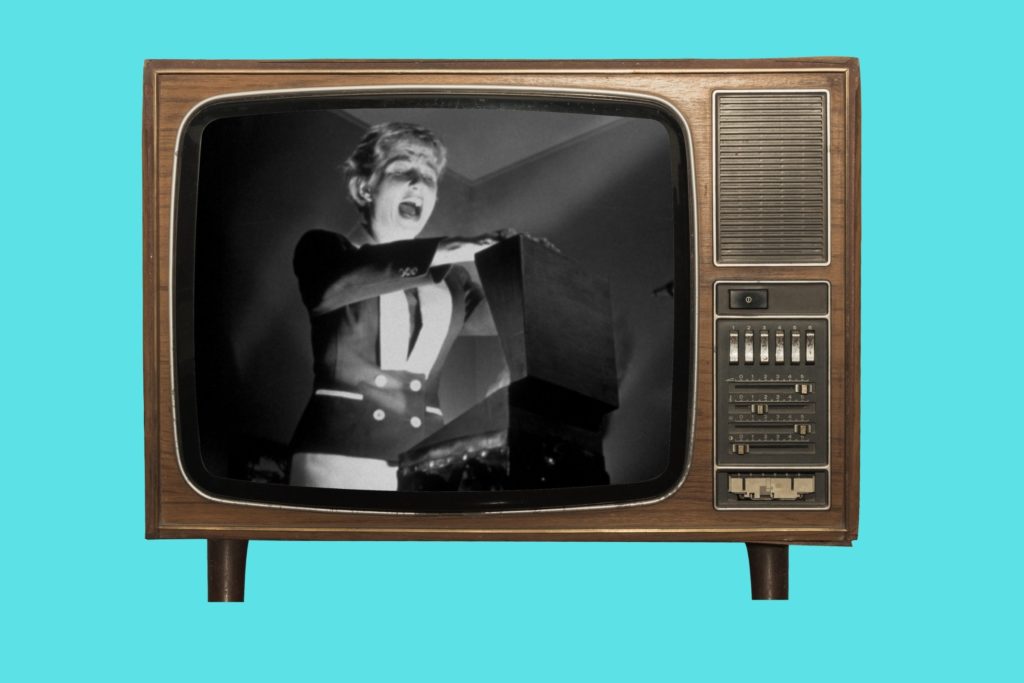
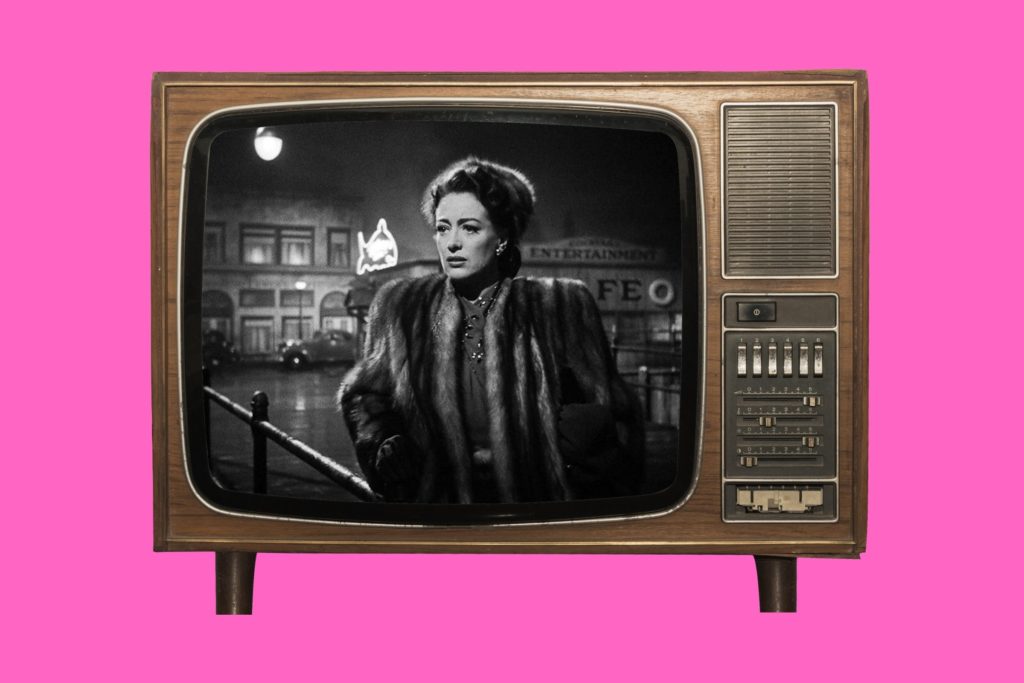
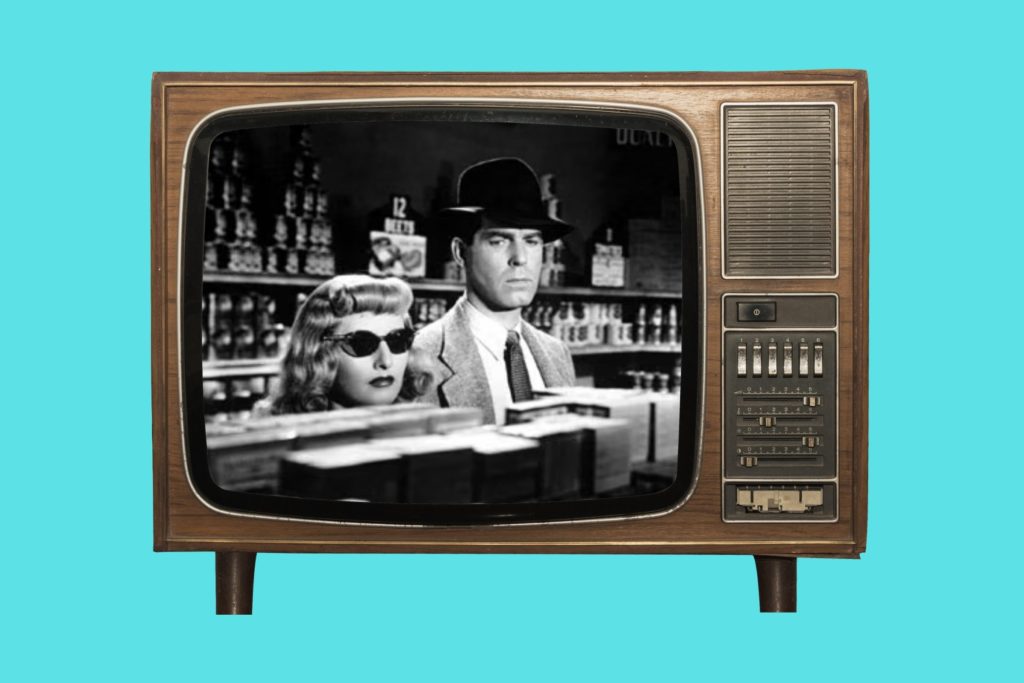
The term “film noir” actually came from French critics after the Second World War. American filmmakers during the 1940s weren’t consciously setting out to make “film noir” movies as such. They were making detective stories, crime dramas and thrillers. However, French critics noticed recurring themes and visual styles running through many of these films. Deep shadows. Harsh lighting. Fatalism. Corruption. Twisted camera angles. Narration. Moral ambiguity. The films felt dark both emotionally and visually, so the label stuck. Once you start spotting noir, you suddenly see it everywhere. Films like Double Indemnity, The Maltese Falcon, Out of the Past and The Big Sleep created a cinematic language that still influences modern filmmaking today.
German Expressionism and Noir Style
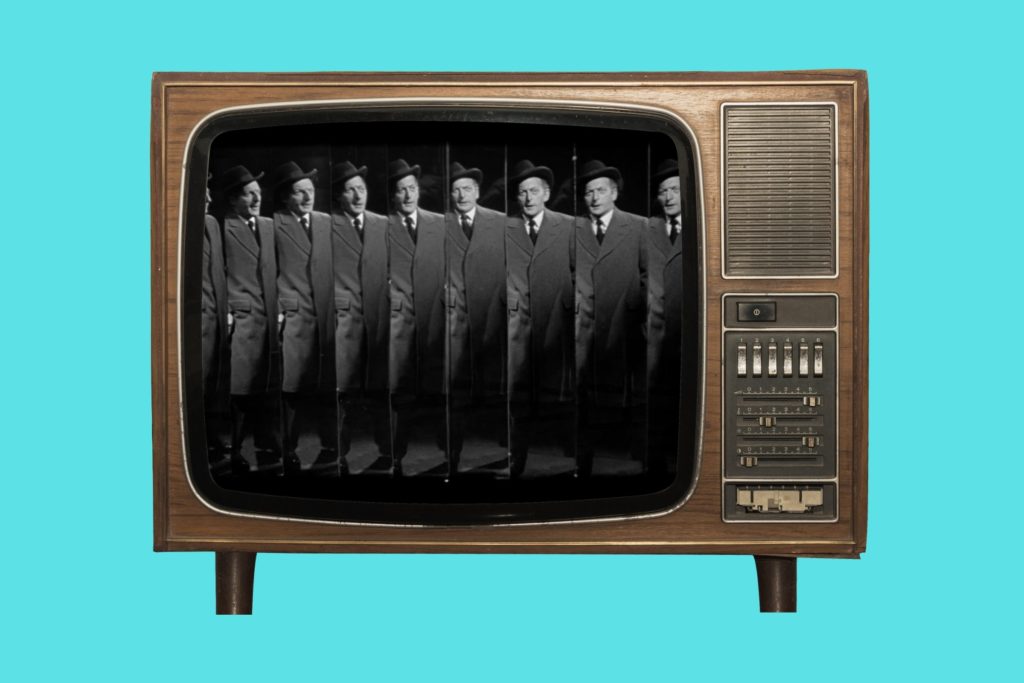
A huge amount of noir’s visual identity came directly from German Expressionism. European filmmakers fleeing political upheaval during the 1930s brought dramatic lighting techniques and distorted visual styles into Hollywood. That influence became central to noir cinema. Streets feel claustrophobic. Shadows consume entire rooms. Characters appear trapped by architecture and darkness itself. Noir transformed ordinary American cities into psychological landscapes filled with danger and paranoia. What fascinates me is how these films made urban environments feel almost alive. Rain-soaked alleyways, flickering neon signs and smoke-filled offices all became part of noir’s emotional atmosphere. Even now, modern thrillers still borrow heavily from that visual style because it remains incredibly effective.
Why Noir Never Really Disappeared
What’s fascinating is that film noir never truly vanished. It simply evolved into neo-noir. By the late 1960s and throughout the 1970s, filmmakers started revisiting classic noir themes while updating them for a more cynical modern world. Films like Chinatown, Taxi Driver and The Long Goodbye took the DNA of classic noir and pushed it into darker psychological territory. Then directors like David Fincher, Michael Mann, Christopher Nolan and the Coen Brothers carried those ideas even further. You can absolutely draw a line from Double Indemnity to Blade Runner, Se7en or Memento. The mood, the moral ambiguity and the sense of inevitable doom remain remarkably consistent across decades of filmmaking.
How Film Noir Changed Modern Cinema
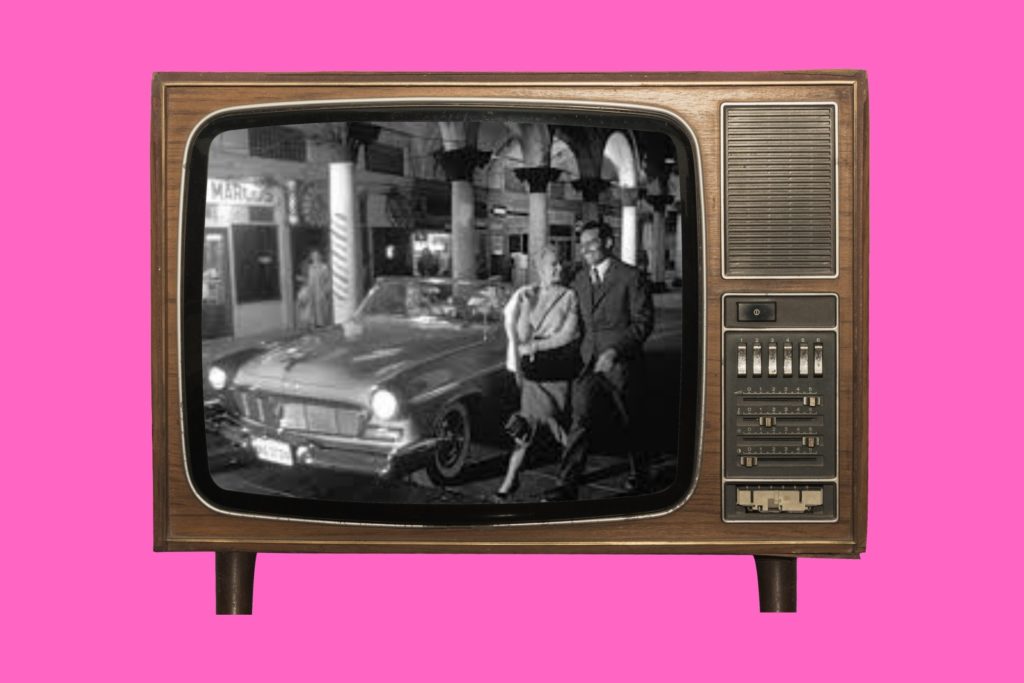
Noir’s influence on modern cinema is enormous. Crime dramas, detective stories and psychological thrillers still use the same visual language and emotional complexity that noir established back in the forties and fifties. Moody lighting. Antiheroes. Corrupt institutions. Urban paranoia. The idea that the world itself feels broken. Noir gave cinema a darker and more psychologically complicated edge that never really went away. Modern television borrows heavily from it too. Series built around detectives, organised crime or morally grey protagonists owe huge debts to classic noir storytelling. Even science fiction eventually absorbed noir influences, particularly through films like Blade Runner, where futuristic worlds became drenched in classic noir atmosphere.
Why Film Noir Still Matters
Honestly, I think people still connect with noir because these films understand something uncomfortable but truthful about human nature. People are flawed. Good intentions don’t always lead to good outcomes. Sometimes the world simply chews people up and spits them out. Written down, that sounds bleak, but noir wraps those ideas inside some of the coolest and most stylish filmmaking ever put on screen. That’s the genius of film noir. Beneath the trench coats, cigarettes and shadowy lighting sits a worldview that still feels strangely modern. Once noir gets its hooks into you, it tends to stay there forever.
Recommended Reading
Dark City: The Lost World of Film Noir — Eddie Muller
Probably the best introduction to noir ever written. Hugely entertaining and endlessly readable.
Film Noir: An Encyclopedic Reference to the American Style — Alain Silver and Elizabeth Ward
Excellent overview of major noir films, directors and themes.
The Big Book of Noir — Edited by Otto Penzler
Fantastic collection of classic noir fiction that influenced the films.
More Than Night: Film Noir in Its Contexts — James Naremore
Thoughtful and insightful without becoming overly academic.
The Noir Style — Alain Silver and James Ursini
A brilliant visual exploration of noir aesthetics and cinematography.
Dark City Dames — Eddie Muller
Wonderful oral history featuring actresses from the golden age of noir.