Cinema du Look
French Cinema of the 1980s – Style, Substance and the Rise of Cinéma du Look
Discovering French Cinema Through Nikita
Like a lot of film fans of my generation, my gateway into French cinema came through Luc Besson’s Nikita. When it arrived in British cinemas around 1990, it felt unlike anything else I’d seen at the time. Stylish. Emotional. Fast-moving. Cool in a way Hollywood thrillers rarely managed. Then Palace Pictures released it on VHS in early 1991, and it became the very first subtitled film I ever watched at home. Honestly, it completely changed the way I viewed foreign-language cinema. Up until then, subtitled films felt slightly intimidating to me — the sort of thing serious critics discussed rather than something a teenager obsessed with Taxi Driver, Twin Peaks and The Good, the Bad and the Ugly would naturally gravitate towards. But Nikita proved subtitled cinema could be every bit as cinematic and emotionally gripping as anything coming out of America.
What Was Cinéma du Look?
That film opened the door to what became known as Cinéma du Look. Despite the slightly academic-sounding name, this wasn’t some strict movement with complicated manifestos. It was more a loose wave of French filmmakers during the 1980s who prioritised atmosphere, visual beauty and emotional intensity in ways that felt incredibly modern at the time. Their films often focused on lonely young characters drifting through neon-lit cities while dealing with love, identity and alienation. And visually, these films looked astonishing. Directors like Luc Besson, Jean-Jacques Beineix and Leos Carax blended European art cinema with music-video aesthetics, pop culture energy and dreamlike storytelling. In many ways, Cinéma du Look felt like the perfect collision between French art-house filmmaking and MTV-era style.
How Diva Changed French Cinema
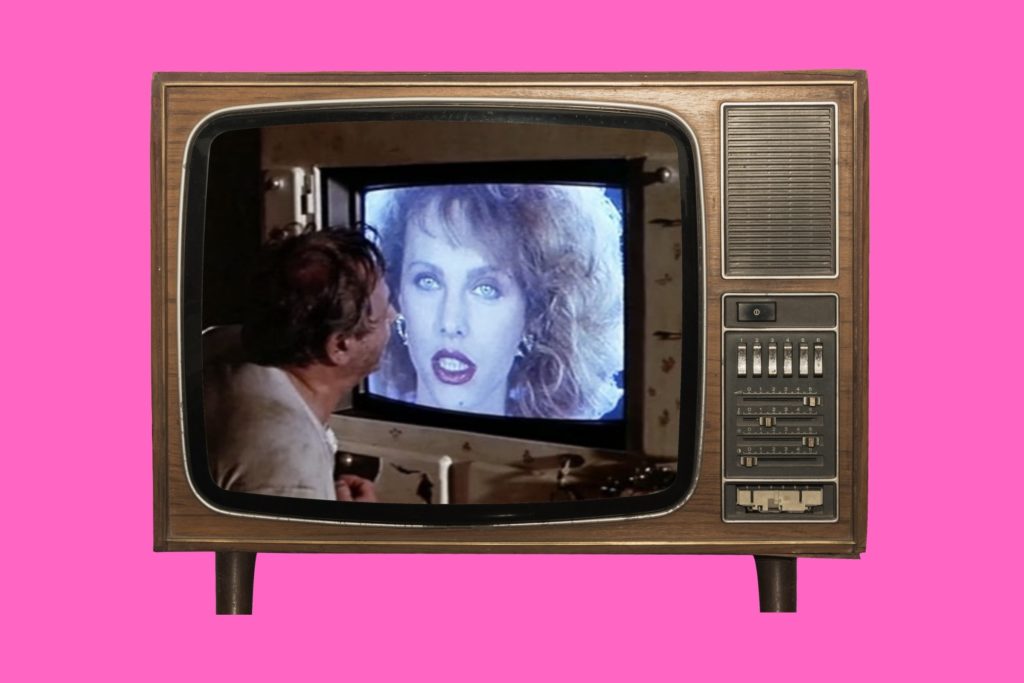
Jean-Jacques Beineix’s Diva from 1981 is usually considered the film that properly launched the movement, and once you watch it, you immediately understand why. The film feels impossibly stylish even now. Deep blue lighting. Neon reflections. Eccentric characters. Operatic emotion. It’s part thriller, part romance and part art film all at once. More importantly, it made French cinema feel modern and exciting for younger audiences in a completely new way. You can see its influence everywhere now, from neo-noir thrillers to music videos and fashion photography. What fascinates me most about Diva is how emotional it feels beneath all the visual flair. The style never overwhelms the feeling. Instead, the visuals become part of the emotional experience itself.
Luc Besson and Stylish European Thrillers
Of course, Luc Besson quickly became the most internationally successful figure associated with the movement. Before Léon or The Fifth Element, Besson built his reputation through films like Subway, The Big Blue and Nikita. What made him stand out was his ability to merge art-house visuals with commercial storytelling and pure cinematic momentum. Nikita especially became hugely influential, helping shape the modern action heroine while also proving European thrillers could compete internationally. Watching those early Besson films now, you can still feel the atmosphere immediately. Rain-soaked streets. Underground metro tunnels. Blue-tinted lighting. Synth-heavy music. The films feel emotional and lonely beneath all the cool surfaces, which is probably why they’ve aged far better than many visually flashy Hollywood films from the same period.
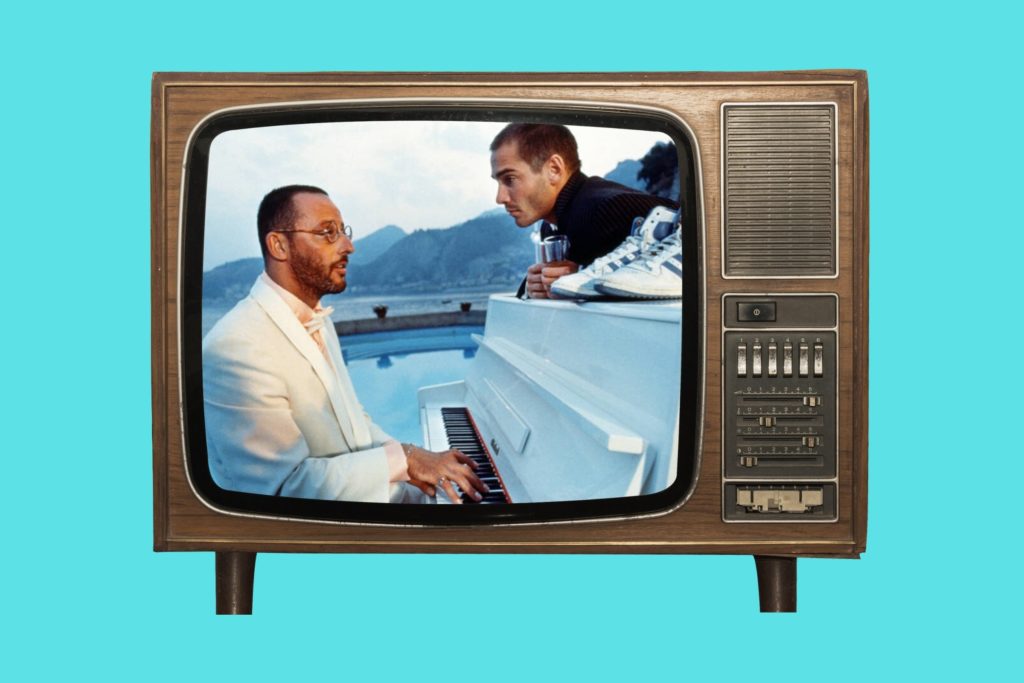
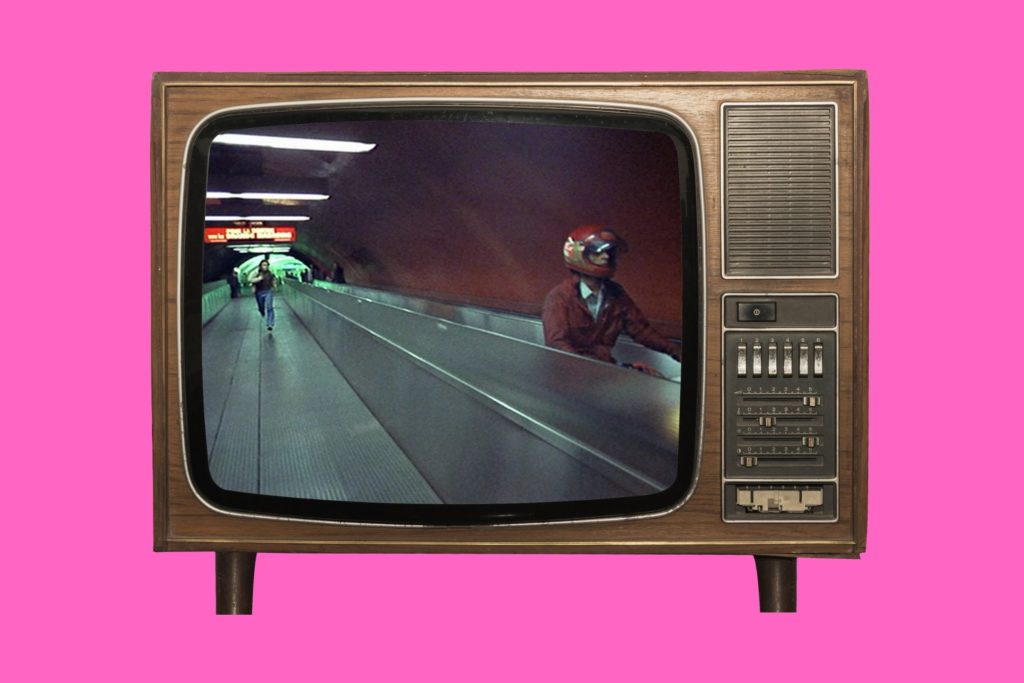
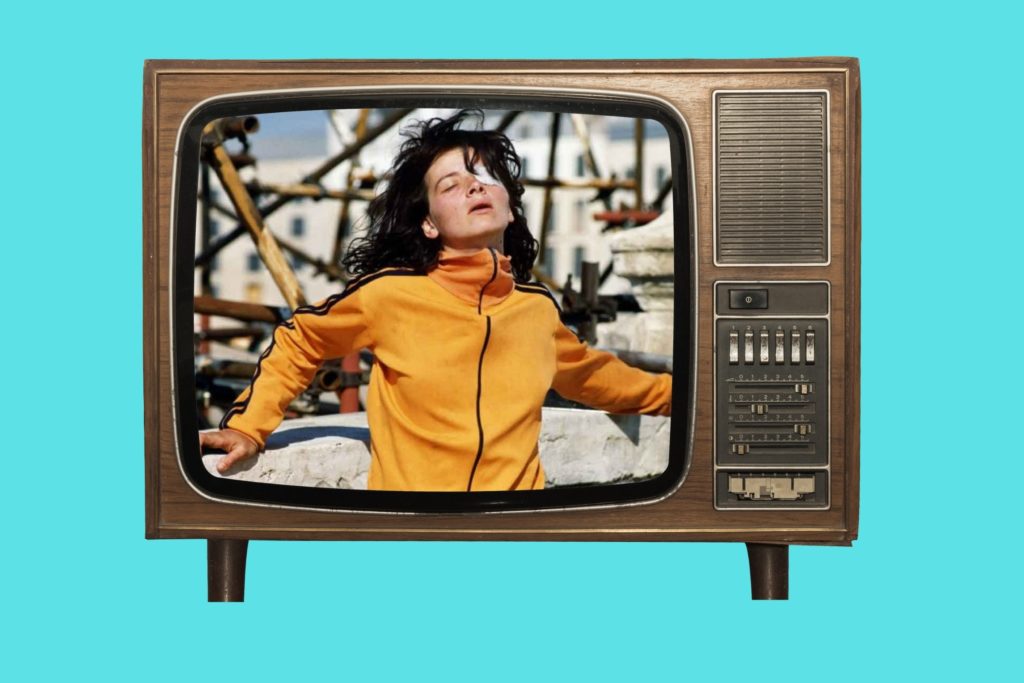
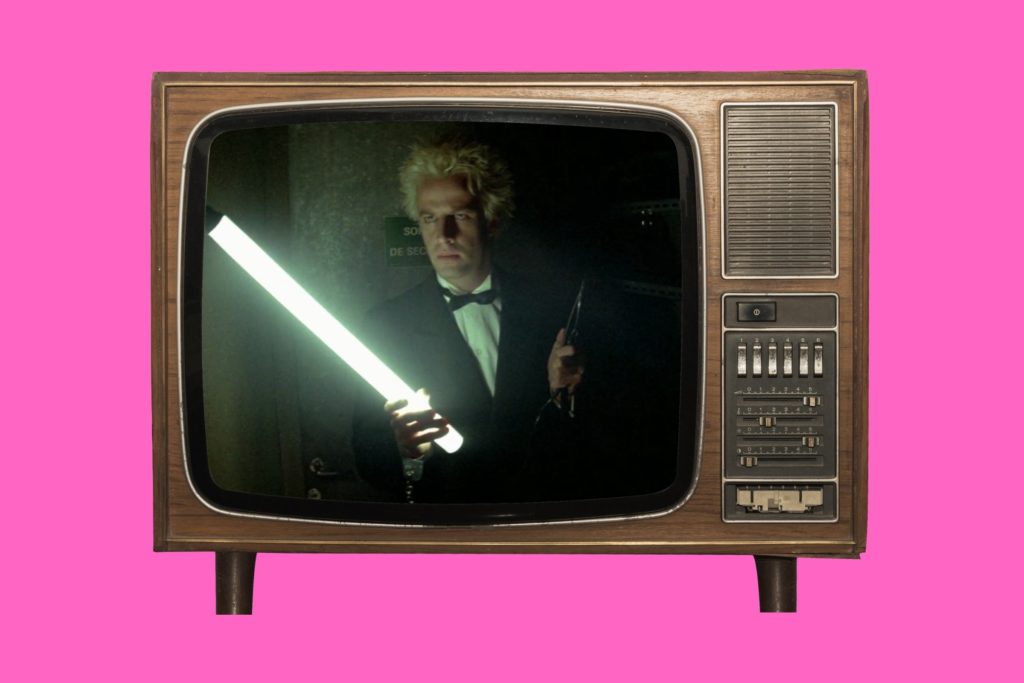
Leos Carax and Dreamlike Cinema
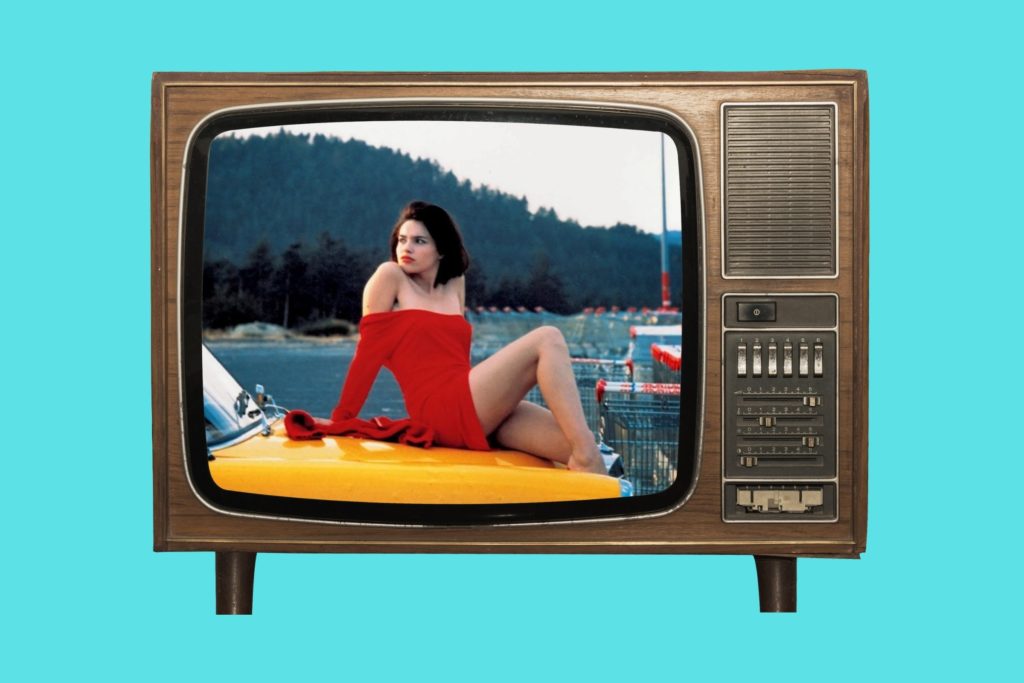
Then there’s Leos Carax, who pushed the movement into something even more poetic and emotionally abstract. Films like Boy Meets Girl and Mauvais Sang feel romantic, melancholic and strangely dreamlike all at once. Carax’s characters often drift through impossibly beautiful urban spaces while struggling with loneliness and emotional disconnection. There’s something incredibly youthful about his films, but also deeply sad. That emotional vulnerability is one of the defining qualities of Cinéma du Look in general. Beneath all the visual beauty sits a genuine sense of longing and isolation. These films aren’t simply stylish for the sake of it. They’re emotionally charged stories about people searching for connection in worlds that often feel emotionally cold or detached.
Why 1980s French Cinema Still Matters
What fascinates me now is how influential this movement became outside France. You can feel its fingerprints all over later filmmakers like Wong Kar-wai, Nicolas Winding Refn, Danny Boyle and even parts of David Lynch’s work. The obsession with colour, urban alienation, stylish lighting and emotionally distant characters all carry traces of Cinéma du Look. There’s also something wonderfully nostalgic about these films today because they capture a very specific pre-digital atmosphere. Smoky cafés. Underground train stations. Rain-covered streets. Synth soundtracks echoing through empty cities. Watching them feels like stepping into another world entirely. That’s why this era of French cinema still matters. It wasn’t simply about looking cool. It was about emotion, longing and identity wrapped inside some of the most visually intoxicating films of the 1980s.
Recommended Reading on French Cinema of the 1980s
The Films of Luc Besson — Susan Hayward
Excellent exploration of Besson’s visual style and early career.
French Cinema: A Student’s Guide — Phil Powrie & Keith Reader
Accessible introduction to modern French filmmaking.
Contemporary French Cinema — Guy Austin
Fantastic overview of major French film movements and directors.
French Cinema in the 1980s — Phil Powrie
Detailed but very readable exploration of the era.
Jean-Jacques Beineix — Phil Powrie
Strong examination of one of the movement’s defining filmmakers.
France on Film — Edited by Lucy Mazdon
Great collection of essays on different eras of French cinema.